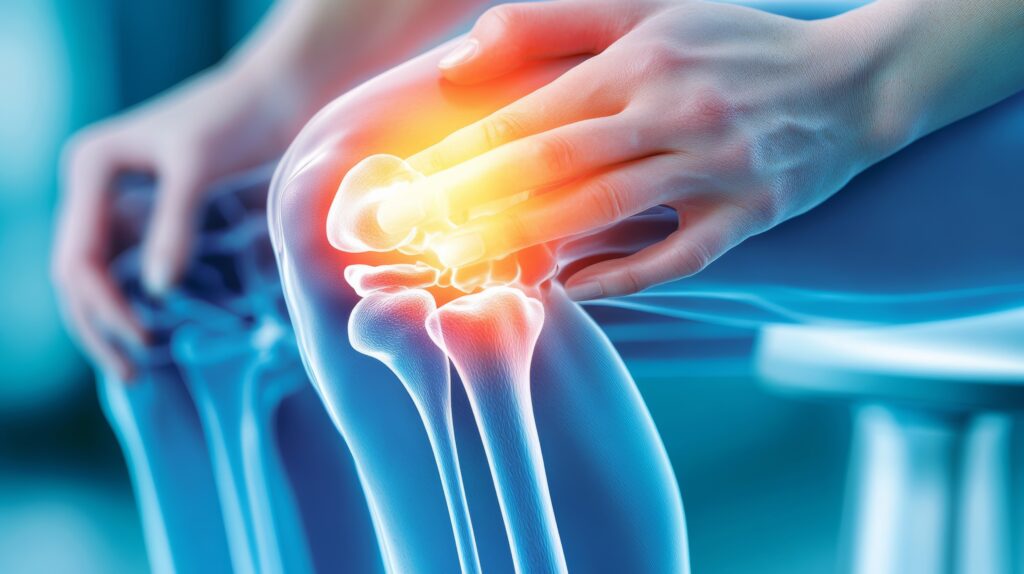
For a young athlete, an ACL injury can be a major setback. After surgery, one of the biggest questions athletes and their families often have is: “When can they get back to sports?”
The answer isn’t as simple as waiting a certain number of months.
Returning to sport after ACL reconstruction surgery requires more than simply letting the knee heal. Our therapists look at several factors to make sure a young athlete is physically and mentally ready to safely return to the demands of their sport.
What Is the ACL?
The anterior cruciate ligament (ACL) is one of the major ligaments inside the knee. It helps keep the knee stable, particularly during activities that involve running, jumping, landing, and changing direction.
An ACL injury can happen in many different ways. It may occur when an athlete suddenly changes direction, twists their knee, lands awkwardly from a jump, or overextends the knee. Sometimes, an injury can even happen during an everyday movement that doesn’t seem particularly significant.
For a child or teenager who loves sports, an ACL injury can affect much more than their ability to play. It can mean time away from their team, school activities, friends, and the sports they enjoy.
That is why proper rehabilitation after ACL surgery is so important.
Returning to sport before the knee and the athlete are ready can increase the risk of another ACL injury or other injuries and may make it more difficult to perform at the level they were capable of before their injury.
So, When Is a Young Athlete Ready to Return to Sport?
There isn’t one single test or one specific date that tells us an athlete is ready.
Instead, therapists consider several factors together.
1. Leg Strength
After ACL surgery, it is common for the muscles around the knee—particularly the quadriceps (the muscles at the front of the thigh)—to become weaker.
Before returning to sport, we want to see that the injured leg has regained near-normal strength compared with the uninjured leg.
We also look at the balance between different muscle groups around the knee, including the quadriceps and hamstrings.
Why does this matter?
Sports such as soccer, basketball, hockey, volleyball, and skiing place significant demands on the legs. An athlete needs enough strength to run, jump, land, stop, and change direction safely.
2. Confidence and Mental Readiness
Being physically ready is only part of the equation.
An athlete also needs to feel mentally ready to return.
After an ACL injury, it is completely understandable for a young athlete to worry about hurting their knee again. They may hesitate when changing direction, feel nervous about jumping or landing, or worry that a certain movement will cause pain.
If fear or lack of confidence is affecting how they move, it can be a sign that they aren’t quite ready for full return to sport.
Building confidence during rehabilitation is an important part of getting back to the activities they love.
3. Time Since Surgery
ACL reconstruction takes time to recover from. In many cases, returning to competitive sports takes approximately 9–12 months or longer, depending on the individual athlete, their sport, their progress, and their surgeon and rehabilitation team’s recommendations.
But the calendar isn’t the only factor.
An athlete isn’t automatically ready to return simply because they have reached the 9- or 12-month mark. Their strength, movement, confidence, and ability to handle sport-specific demands also need to be considered.
Think of the recovery timeline as a minimum part of the process—not the finish line.
4. How They Move
We don’t just look at how strong an athlete is in the gym. We also want to see how they move.
This can include watching an athlete perform activities such as:
- Jumping and landing
- Hopping
- Running
- Cutting and changing direction
- Sport-specific movements
We look for things such as:
- Does the knee stay in a good position, or does it collapse inward?
- Can they control their landing?
- Are they putting similar amounts of weight through both legs?
- Can they maintain good balance?
- Does their upper body stay controlled while their legs are moving?
- Can they perform these movements confidently and consistently?
These movement patterns give therapists valuable information about how well the athlete can control their body during the types of activities they will encounter in their sport.
Getting Back to Sport Is a Process
Returning to sport after pediatric ACL reconstruction isn’t about passing one test or reaching a specific date on the calendar.
It’s about making sure the athlete is strong enough, confident enough, moving well, and ready to handle the demands of their sport.
Even with excellent rehabilitation, injuries can sometimes happen. There are no guarantees in sport.
However, a thorough and progressive rehabilitation program gives young athletes the best possible opportunity to safely return to the activities they love and continue participating in sports for years to come.
The goal isn’t simply to get an athlete back on the field or court. It’s to help them return prepared, confident, and ready for the demands of their sport.