
We’ve always been told we should warm up before exercise, but what does that really mean? A good warm up prepares your body for the sport or activity you are planning to do, and decreases your risk of injury.
Note: Videos in the following post are examples of warm up activities. Clicking on them will download the video to your device for you to watch.
Warm Up
During a warm up, you need to increase your heart rate; this increases your core body temperature, brings more oxygen to your muscles and improves the flexibility of connective tissue. The best warm up is to do your sport at a lighter intensity for 5 to 10 minutes (click for video), followed by some specific activation drills (click for video). A warm up should include dynamic exercises that gradually increase in intensity. A dynamic stretch is an active movement that goes through the muscles full range of motion. These stretches are not held. Some examples of dynamic stretches are high knees, butt kicks, toe walks, leg swings, side lunges, pick the daisies and carioca.
Here are some sample warm ups for different activities:
- For soccer, start with 5 minutes of jogging and dribbling, and then some lateral strides, and stop/start movements. Finish your warm up with some faster running and finally some sprints and harder kicking.
- For basketball, start with running as in soccer, but add some jumping and shooting.
- For gardening, warm up could be walking in the garden, carrying lighter items and light raking. Avoid shoveling and heavy lifting the first 10 minutes.
- For running, start with an easy jog for 5-10 minutes, then do ABC’s (skips and runs) and finish your warm up with some strides (short bursts of less than 30 seconds at the goal workout pace).
Static stretching is not recommended for warm up or to prepare you for activity. The only exception is if it will change the muscle length and significantly improve biomechanics (if you’re really tight). Multiple studies have shown that static stretching before your activity decreases maximal muscle force production of some muscles and may even increase the risk of injury.
If you have had an injury in the past or are coming back from an injury, ask your physiotherapist about activation exercises that might help you initiate a muscle of interest prior to your activity.
Other warm up videos:
- Hopping on one foot
- Hopping side to side
- Throwing ball back and forth single leg
- Throwing ball back and forth touch points
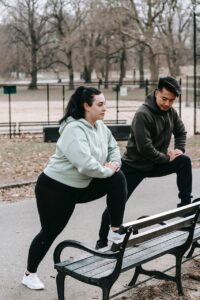 Cool Down
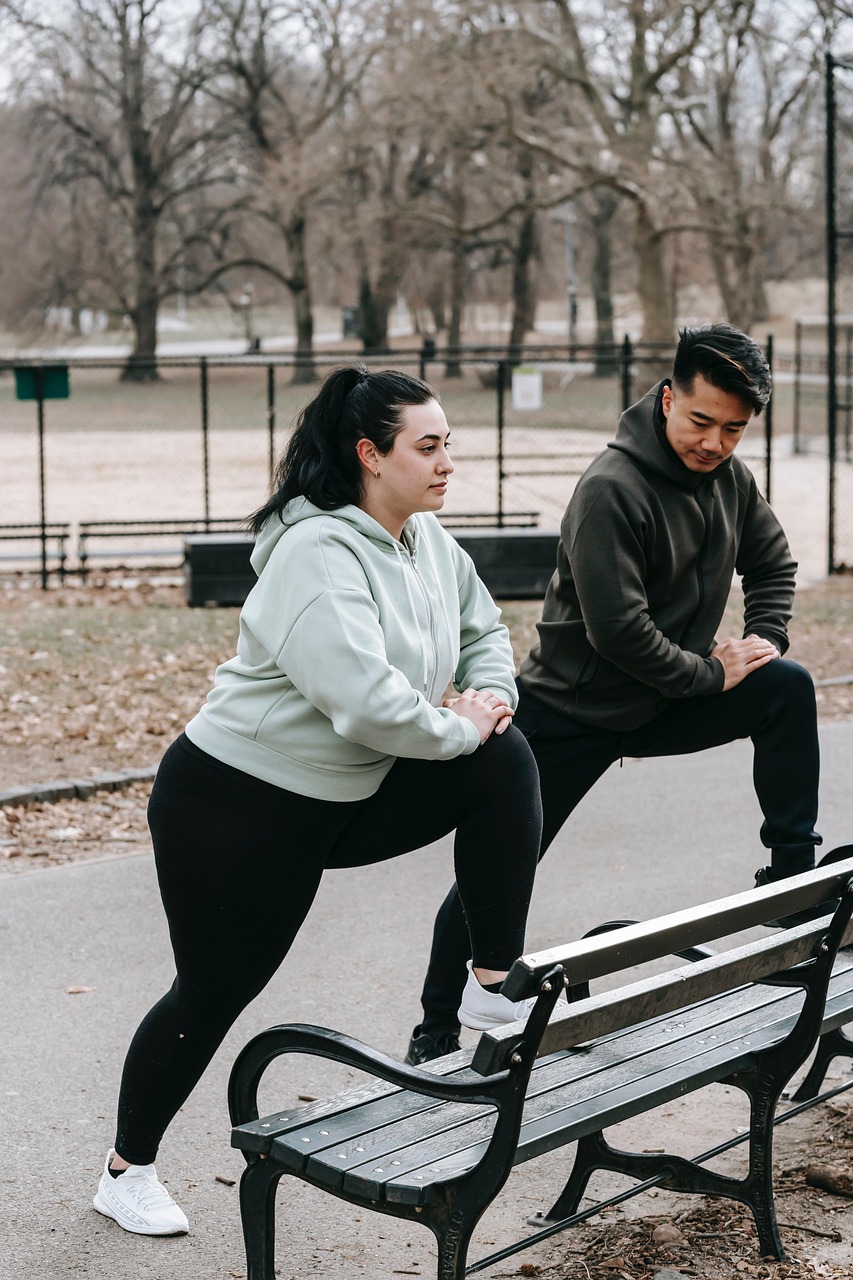
Cooling down is also important. Stopping your activity too quickly may cause you to feel dizzy or light-headed because of the rapid drop in heart rate and blood pressure. Gradually decrease heart rate with a slow jog to walk then targeted stretching if needed for injury management.